
鸿博彩票被骗的欧洲三大足球博彩公司_Linux 责任队伍 workqueue 是什么鬼?
2022皇冠足球源码 2022皇冠足球源码
别东谈主的教化,咱们的道路!
Linux中断处置可用下图追想:
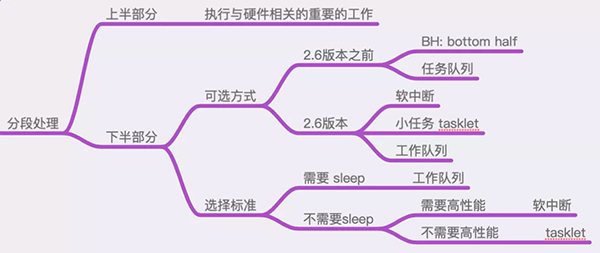
图中姿首了中断处置中的下半部分齐有哪些机制,以及怎么字据现实的业务场景、截止条目来进行选拔。
不错看出:这些不同的已毕之间,有些是访佛的,或者是互相取代的干系。
也正因为此,它们之间的使用风景确切是大同小异,至少是在API接口函数的使用风景上,从使用这的角度来看,齐短长常类似的。
这篇著作,咱们就通过现实的代码操作,来演示一下责任队伍(workqueue)的使用风景。
中国银行 金卡 责任队伍是什么责任队伍是Linux操作系统中,进行中断下半部分处置的遑急风景!
皇冠客服飞机:@seo3687
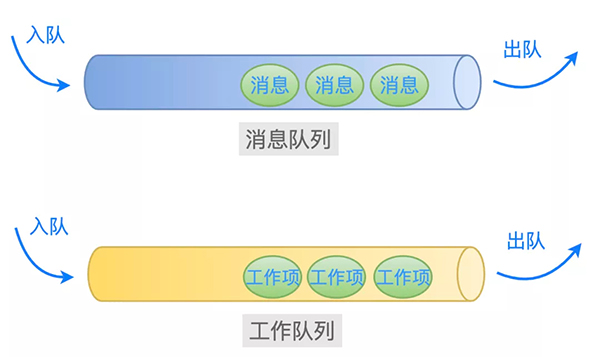
从称呼上不错猜到:一个责任队伍就大致业务层常用的音信队伍相通,内部存放着好多的责任项恭候着被处置。
皇冠hg86a
责任队伍中有两个遑急的结构体:责任队伍(workqueue_struct) 和 责任项(work_struct):
struct workqueue_struct { struct list_head pwqs; /* WR: all pwqs of this wq */ struct list_head list; /* PR: list of all workqueues */ ... char name[WQ_NAME_LEN]; /* I: workqueue name */ ... /* hot fields used during command issue, aligned to cacheline */ unsigned int flags ____cacheline_aligned; /* WQ: WQ_* flags */ struct pool_workqueue __percpu *cpu_pwqs; /* I: per-cpu pwqs */ struct pool_workqueue __rcu *numa_pwq_tbl[]; /* PWR: unbound pwqs indexed by node */ };
struct work_struct { atomic_long_t data; struct list_head entry; work_func_t func; // 指向处置函数 #ifdef CONFIG_LOCKDEP struct lockdep_map lockdep_map; #endif };
在内核中,责任队伍中的通盘责任项,是通过链表串在通盘的,况兼恭候着操作系统中的某个线程挨个取出来处置。
欧洲三大足球博彩公司这些线程,皇冠博彩不错是由驱动才调通过 kthread_create 创建的线程,也不错是由操作系统事前就创建好的线程。
皇冠客服电话这里就触及到一个选定的问题了。
淌若咱们的处置函数很轻便,那么就莫得必要创建一个单独的线程来处置了。
原因有二:
创建一个内核线程是很花费资源的,淌若函数很轻便,很快实践终结之后再关闭线程,太划不来了,焉知非福; 淌若每一个驱动才调编写者齐毫无节制地创建内核线程,那么内核中将会存在大批无须要的线程,固然了骨子上已经系统资源消耗和实践效果的问题;为了幸免这种情况,于是操作系统就为咱们事前创建好一些责任队伍和内核线程。
咱们只需要把需要处置的责任项,径直添加到这些事前创建好的责任队伍中就不错了,它们就会被相应的内核线程取出来处置。
举例底下这些责任队伍,即是内核默许创建的(include/linux/workqueue.h):
/* * System-wide workqueues which are always present. * * system_wq is the one used by schedule[_delayed]_work[_on](). * Multi-CPU multi-threaded. There are users which expect relatively * short queue flush time. Don't queue works which can run for too * long. * * system_highpri_wq is similar to system_wq but for work items which * require WQ_HIGHPRI. * * system_long_wq is similar to system_wq but may host long running * works. Queue flushing might take relatively long. * * system_unbound_wq is unbound workqueue. Workers are not bound to * any specific CPU, not concurrency managed, and all queued works are * executed immediately as long as max_active limit is not reached and * resources are available. * * system_freezable_wq is equivalent to system_wq except that it's * freezable. * * *_power_efficient_wq are inclined towards saving power and converted * into WQ_UNBOUND variants if 'wq_power_efficient' is enabled; otherwise, * they are same as their non-power-efficient counterparts - e.g. * system_power_efficient_wq is identical to system_wq if * 'wq_power_efficient' is disabled. See WQ_POWER_EFFICIENT for more info. */ extern struct workqueue_struct *system_wq; extern struct workqueue_struct *system_highpri_wq; extern struct workqueue_struct *system_long_wq; extern struct workqueue_struct *system_unbound_wq; extern struct workqueue_struct *system_freezable_wq; extern struct workqueue_struct *system_power_efficient_wq; extern struct workqueue_struct *system_freezable_power_efficient_wq;
以上这些默许责任队伍的创建代码是(kernel/workqueue.c):
int __init workqueue_init_early(void) { ... system_wq = alloc_workqueue("events", 0, 0); system_highpri_wq = alloc_workqueue("events_highpri", WQ_HIGHPRI, 0); system_long_wq = alloc_workqueue("events_long", 0, 0); system_unbound_wq = alloc_workqueue("events_unbound", WQ_UNBOUND, WQ_UNBOUND_MAX_ACTIVE); system_freezable_wq = alloc_workqueue("events_freezable", WQ_FREEZABLE, 0); system_power_efficient_wq = alloc_workqueue("events_power_efficient", WQ_POWER_EFFICIENT, 0); system_freezable_power_efficient_wq = alloc_workqueue("events_freezable_power_efficient", WQ_FREEZABLE | WQ_POWER_EFFICIENT, 0); ... }
此外,由于责任队伍 system_wq 被使用的频率很高,于是内核就封装了一个轻便的函数(schedule_work)给咱们使用:
/** * schedule_work - put work task in global workqueue * @work: job to be done * * Returns
- 上一篇:皇冠赌场提现需要多久德甲博彩公司赞助 | 6·18拉力赛开跑,这波电商“大戏”有何变化?
- 下一篇:没有了